
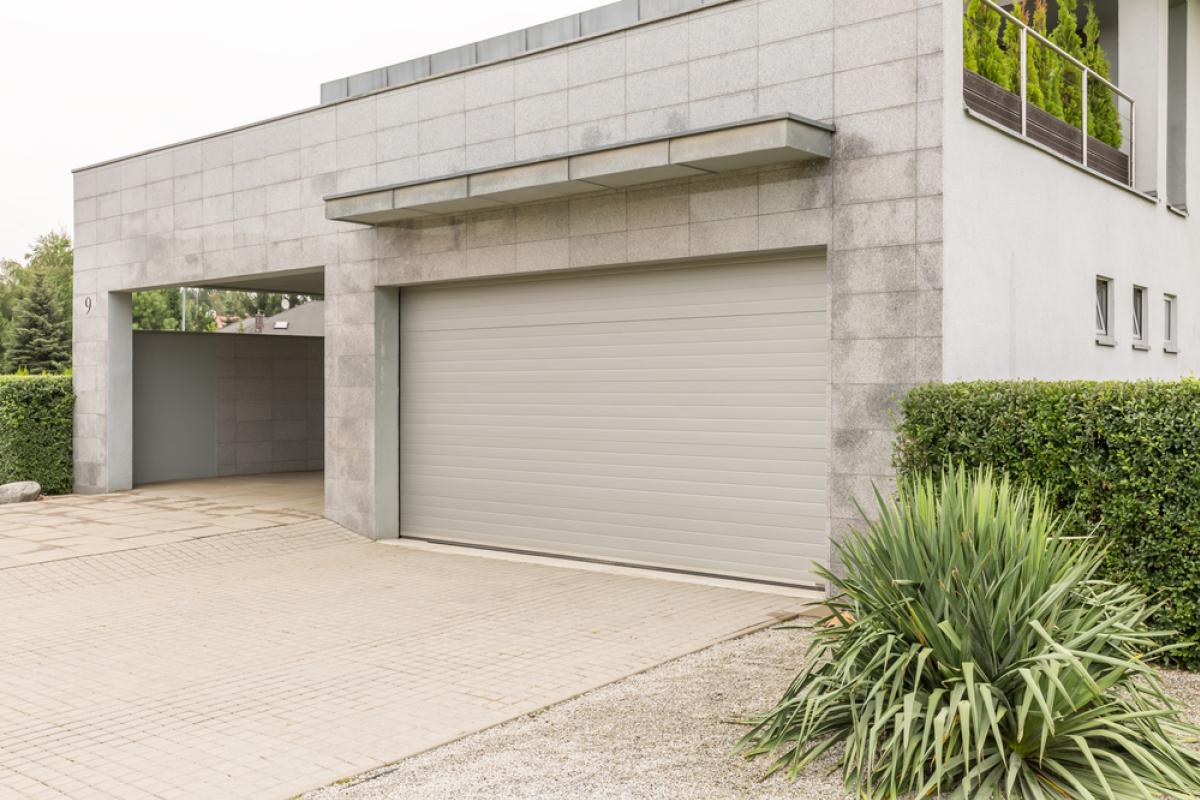
Research has shown that insulation measures improve thermal comfort and lower energy costs when installed correctly, and this is also the case when it comes to roller garage doors. Despite being slightly trickier to insulate compared to other garage entrance systems, they can still be effectively insulated provided you use the right materials and methods. Here is our guide on how to insulate a roller garage door.
Yes, you can absolutely insulate a roller garage door yourself as long as you take some important factors into consideration. Since these entrance systems roll tightly into a drum just above the opening, adding insulation will slightly increase the thickness of the roll so you’ll have to make sure you have enough space in your box for the added volume. The materials will also add extra weight and thus strain on your motor, so after insulating you’ll need to check whether the entrance system opens and closes smoothly / without resistance.
If it feels noticeably heavier, won’t stay in position, the motor is struggling, etc. it might be a good idea to arrange for a qualified professional to have a look at the spring tension. It’s important to never try and adjust the spring tension yourself as they are under very high tension which can be dangerous for non-professionals to work on.
Before you begin, make sure you have all the tools and materials you’ll need. For the insulation itself, it’s best to use a thin, flexible foil-backed foam roll designed for roll-up doors as this isn’t going to add too much volume or weight to the system. Rigid boards on the other hand might be too thick and heavy, so it’s best to avoid those. You’ll also want to obtain a quality garage door seal to block out any draughts. Here’s a full list of the materials and tools you’ll need:
Wipe the inside of the frame using a soft microfibre cloth and some mild soapy water. You can also use a degreaser if you’d like. This is important to do as any leftover dirt or dust will prevent the adhesive from sticking properly and your insulation might peel off over time.
Next, you’ll need to measure the individual slats / sections of your roller garage door and then use your utility knife or sharp scissors to cut your foil insulation to size. Once you’ve done that, apply your double-sided tape or contact adhesive to the slats before applying the actual insulation.
Start from the bottom and work your way up pressing the material against the tape / adhesive and make sure to follow the insulation manufacturer's instructions for the correct orientation of the foil layer. Make sure the material isn’t in the way of any of the joints where the door bends when rolled up.
Once the material is on, use seam tape to seal the edges (the places where two pieces meet) as this will help hold the insulation securely together and stop it from peeling over time. It also gives a neater appearance.
Regardless of how well you apply the foil, your insulation won’t be complete if draughts are still coming in around the perimeter. Installing high quality garage door seals is a key step when you’re insulating a roller garage door as they’ll block air from blowing in underneath and around the sides. As an added bonus, they’ll also prevent any pests, dust and debris from entering your space.
Stormstop seal specialists recommend using a threshold seal at ground level as it will form a tight fit between the frame and the garage floor and clip-on twin pile guide seals for the sides (these clip onto the shutter guide channels).
StormStop has been providing quality seals proudly manufactured in the UK for decades. All our products are made using only the highest quality materials to effectively prevent draughts, dust and debris and allow your insulation to perform at its best. Browse our full range of roller garage door seals here! If you need additional advice on how to insulate a roller garage door, then feel free to get in touch with our team and they’ll be happy to help and recommend the best sealing solutions for you.


